4 Best Reef-Safe Sunscreens Without Oxybenzone and Octinoxate (2026 Guide)
Protecting your skin from the sun is essential, but more people are now asking: “Is my sunscreen harming the environment?”
Certain chemical ingredients, like oxybenzone and octinoxate, have been linked to coral reef damage, marine ecosystem disruption, and harm to aquatic life. Because of this, places like Hawaii have banned sunscreens containing these chemicals.
The good news? Many brands now offer reef-safe, mineral sunscreens that protect both your skin and the oceans.
This guide covers the best reef-safe sunscreens for 2026, why they are ocean-friendly, and tips for choosing the perfect sunscreen for your skin type.
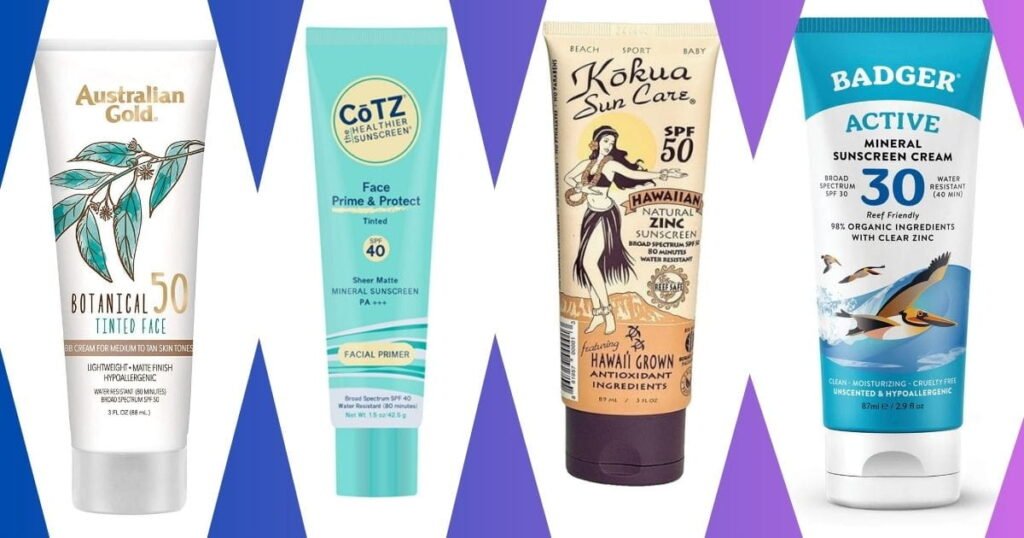
Quick Picks: Best Reef-Safe Sunscreens 2026
⭐ Best Overall: Australian Gold Botanical Tinted Mineral Sunscreen
⭐ Best Makeup-Friendly: COTZ Prime & Protect Sunscreen
⭐ Best for Sensitive Skin: Badger Clear Zinc Sunscreen
⭐ Best for Outdoor Protection: Kokua Natural Zinc Sunscreen
Why Avoid Oxybenzone and Octinoxate?
Oxybenzone and octinoxate are two common chemical sunscreen ingredients used to absorb ultraviolet (UV) radiation. While they help protect the skin from sunburn, growing research suggests these chemicals may have harmful effects on both marine ecosystems and human health.
Switching to mineral sunscreens with zinc oxide or titanium dioxide protects your skin without harming the ocean.
Certain people may experience skin irritation or allergic reactions from chemical sunscreen filters like oxybenzone. Symptoms may include redness, itching, or breakouts, especially for individuals with sensitive or acne-prone skin.
These mineral filters sit on top of the skin and reflect UV rays rather than absorbing them. They are generally considered safer for coral reefs and gentler for sensitive skin.
What Makes a Sunscreen Reef-Safe?
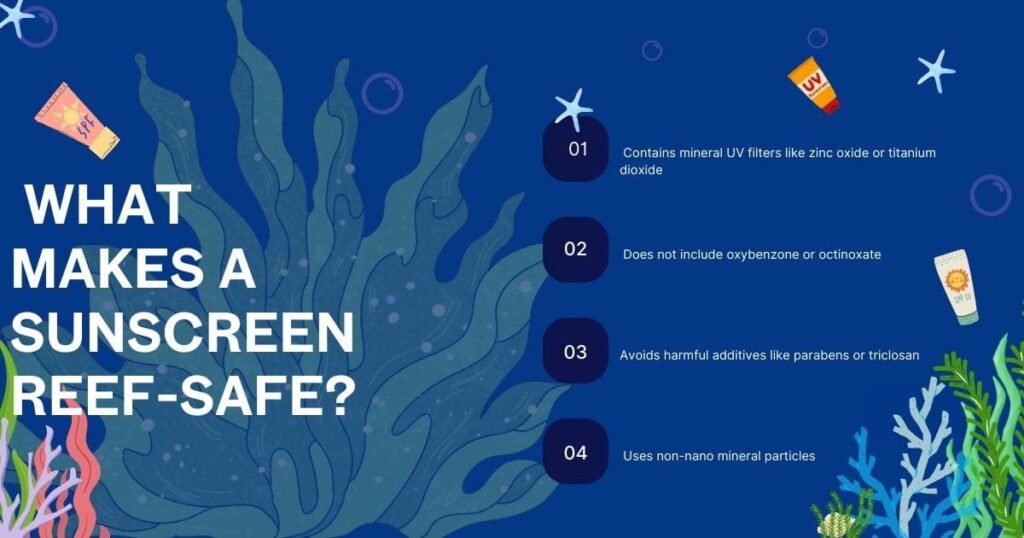
A sunscreen is considered reef-safe if it:
✔ Contains mineral UV filters like zinc oxide or titanium dioxide
✔ Does not include oxybenzone or octinoxate
✔ Avoids harmful additives like parabens or triclosan
✔ Uses non-nano mineral particles
Mineral sunscreens sit on top of the skin, reflecting UV rays rather than absorbing them. This makes them gentler on sensitive skin and safer for oceans.
A reef-safe sunscreen is formulated without ingredients that are known to harm coral reefs and marine ecosystems. Traditional chemical sunscreens often contain compounds that can wash off the skin while swimming and enter the ocean, where they may contribute to coral bleaching and marine pollution.
To reduce environmental damage, reef-safe sunscreens rely on mineral UV filters and avoid harmful chemicals that threaten ocean life.
Key Ingredients Found in Reef-Safe Sunscreens
Common reef-safe ingredients include:
- Zinc Oxide – provides broad-spectrum protection against both UVA and UVB rays
- Titanium Dioxide (non-nano) – helps block UV radiation while being gentler on marine ecosystems
These mineral filters are generally considered safer for coral reefs and better for sensitive skin compared to many chemical sunscreen filters.
Ingredients Reef-Safe Sunscreens Avoid
Sunscreens labeled as reef-safe typically avoid ingredients that research has linked to coral reef damage and marine toxicity.
Some ingredients to avoid include:
- Oxybenzone
- Octinoxate
- Octocrylene
- PABA
- Triclosan
- Parabens
These chemicals can enter ocean waters through swimming or wastewater and may accumulate in marine environments.
Why Mineral Sunscreens Are Often Reef-Friendly
Mineral sunscreens create a physical barrier on the skin, reflecting harmful UV rays instead of absorbing them. Because they contain fewer synthetic chemicals, they are often considered more environmentally friendly and safer for marine ecosystems.
However, it’s still important to choose non-nano mineral sunscreens, since extremely small particles may also impact aquatic life.
The Bottom Line
A sunscreen is generally considered reef-safe when it:
- Avoids harmful chemicals like oxybenzone and octinoxate
- Uses mineral UV filters such as zinc oxide or titanium dioxide
- Is free from ingredients known to harm coral reefs
Choosing a reef-safe sunscreen allows you to protect your skin from sun damage while also helping preserve delicate ocean ecosystems.
Dermatologist Insight
According to Dr. Emily Harmon, dermatologist and skincare expert:
“Mineral sunscreens containing zinc oxide or titanium dioxide are ideal for sensitive skin. They provide broad-spectrum UV protection while being less irritating than chemical sunscreens.”
Comparison Table: Best Reef-Safe Sunscreens 2026
| Sunscreen | Type | Best For | Key Ingredients | Pros | Cons |
|---|---|---|---|---|---|
| Australian Gold Botanical Tinted Mineral | Mineral | Oily/Combination Skin | Zinc Oxide + Titanium Dioxide | Controls oil, tinted coverage, affordable, fragrance-free | Can feel drying, limited shades |
| COTZ Prime & Protect | Mineral | Makeup Base | Zinc Oxide + Titanium Dioxide | Sunscreen + primer, smooth texture, blurs pores, water-resistant | Silicone feel, tint may be dark on very fair skin |
| Badger Clear Zinc | Mineral | Sensitive Skin | Zinc Oxide | Natural ingredients, moisturizing, gentle | Thick texture, requires blending |
| Kokua Natural Zinc | Mineral | Outdoor Activities | Zinc Oxide | High sun protection, antioxidant-rich, reef-safe | Expensive, may leave slight white cast |
1️⃣ Australian Gold Botanical Tinted Mineral Sunscreen
Active Ingredients: Zinc Oxide (4%), Titanium Dioxide (4%)
Perfect for oily and combination skin, it provides a light tint that evens skin tone and a matte finish that controls shine for 6–7 hours.
Pros:
✔ Controls oil & shine
✔ Natural tinted coverage
✔ Affordable mineral sunscreen
✔ Reef-safe and fragrance-free
Cons:
✖ May feel drying for dry skin
✖ Limited shade range
Best for: Daily wear on oily or combination skin
2️⃣ COTZ Prime & Protect Sunscreen
Active Ingredients: Titanium Dioxide (8%), Zinc Oxide (3.8%)
A three-in-one sunscreen, mattifying cream, and makeup primer. Its smooth texture blurs pores and fine lines, perfect for wearing under makeup.
Pros:
✔ Multi-purpose formula
✔ Smooth primer texture
✔ Water-resistant
✔ Great under makeup
Cons:
✖ Silicone feel
✖ Tint may appear dark on very fair skin
Best for: Makeup users and daily routines
3️⃣ Badger Clear Zinc Sunscreen
Active Ingredient: Zinc Oxide (18.75%)
A minimalist, natural formula for sensitive skin. Includes sunflower oil, beeswax, vitamin E, and seabuckthorn extract for added nourishment.
Pros:
✔ 98% organic ingredients
✔ Moisturizing and gentle
✔ High zinc oxide concentration
✔ Reef-safe
Cons:
✖ Thick texture
✖ Requires blending
Best for: Dry and sensitive skin types
4️⃣ Kokua Natural Zinc Sunscreen
Active Ingredient: Zinc Oxide (25%)
Offers maximum mineral sun protection with 23 antioxidants, many derived from Hawaiian plants. Ideal for outdoor activities like swimming, hiking, or beach trips.
Pros:
✔ Extremely strong UV protection
✔ Antioxidant-rich formula
✔ Reef-safe and cruelty-free
Cons:
✖ Higher price
✖ Slight white cast possible
Best for: Outdoor activities and long sun exposure
Mineral vs Chemical Sunscreens – Quick Comparison
| Feature | Mineral Sunscreens | Chemical Sunscreens |
|---|---|---|
| UV Protection | Reflect rays | Absorb rays |
| Skin Sensitivity | Gentler | Can irritate |
| Reef Safety | Safer for oceans | Can harm marine life |
| White Cast | Possible | Rare |
Takeaway: Mineral sunscreens are safer, gentler, and eco-friendly.
How to Choose the Best Reef-Safe Sunscreen

- SPF 30+ and broad-spectrum protection
- Zinc oxide or titanium dioxide as active ingredients
- Avoid oxybenzone, octinoxate, and other harmful chemicals
- Non-nano mineral particles
- Reapply every 2 hours, especially while swimming or sweating
Expert Tip: Mineral sunscreens are ideal for sensitive or acne-prone skin.
FAQ – People Also Ask About Reef-Safe Sunscreen
Q1: What sunscreens don’t contain oxybenzone or octinoxate?
- Australian Gold Botanical, COTZ Prime & Protect, Badger Clear Zinc, Kokua Natural Zinc
Q2: Are reef-safe sunscreens effective?
- Yes, mineral sunscreens provide broad-spectrum UVA and UVB protection
Q3: Why did Hawaii ban certain sunscreens?
- To protect coral reefs from chemicals like oxybenzone and octinoxate
Q4: Do mineral sunscreens leave a white cast?
- Some may, but tinted or clear zinc formulas reduce this effect significantly
Q5: Can mineral sunscreens be used on sensitive skin?
- Yes, zinc oxide and titanium dioxide are gentle and suitable for sensitive or acne-prone skin
Q6: Do reef-safe sunscreens prevent sunburn?
- Yes, when applied correctly and reapplied every 2 hours
wrap up – Best Reef-Safe Sunscreens in 2026
Protecting your skin from harmful UV rays should never come at the cost of harming the environment. By choosing a reef-safe sunscreen without oxybenzone and octinoxate, you can enjoy effective sun protection while helping preserve delicate marine ecosystems.
Many traditional sunscreens contain chemicals that may contribute to coral reef bleaching and ocean pollution. Switching to mineral-based reef-safe sunscreens made with ingredients like zinc oxide or titanium dioxide (non-nano) is a simple but powerful step toward more sustainable skincare.
The good news is that there are now many excellent options available. Whether you prefer a mattifying sunscreen for oily skin, a hydrating formula for dry skin, or a tinted mineral sunscreen for everyday wear, reef-safe products can meet your needs while remaining environmentally responsible.
Quick Recap of the Best Reef-Safe Sunscreens
- Australian Gold Botanical Tinted Mineral Sunscreen – Best for oily skin and daily wear
- COTZ Prime & Protect Sunscreen – Ideal as a sunscreen and makeup primer
- Badger Clear Zinc Sunscreen – Great for natural and organic skincare lovers
- Kokua Natural Zinc Sunscreen – Best for strong outdoor sun protection
Choosing the best reef-safe sunscreen helps protect your skin from sunburn, premature aging, and UV damage while also supporting the health of coral reefs and marine life.
Switching to a reef-safe sunscreen is a simple step that protects your skin and the environment.
In the end, using reef-safe sunscreen is more than just a skincare choice — it’s a small step toward protecting the planet’s oceans for future generations. 🌊☀️
🌊☀️ Protect your skin, protect the oceans, and enjoy safe sun exposure in 2026!
“Have you tried this product before? Share your experience in the comments.”